FASHTALKS WITH KIMA ROLLS
WITH CO-FOUNDER NICOLAS ZIMMER
May 14, 2026 01:44 PM
Tell us the story behind how your brand came to life. What inspired its creation?
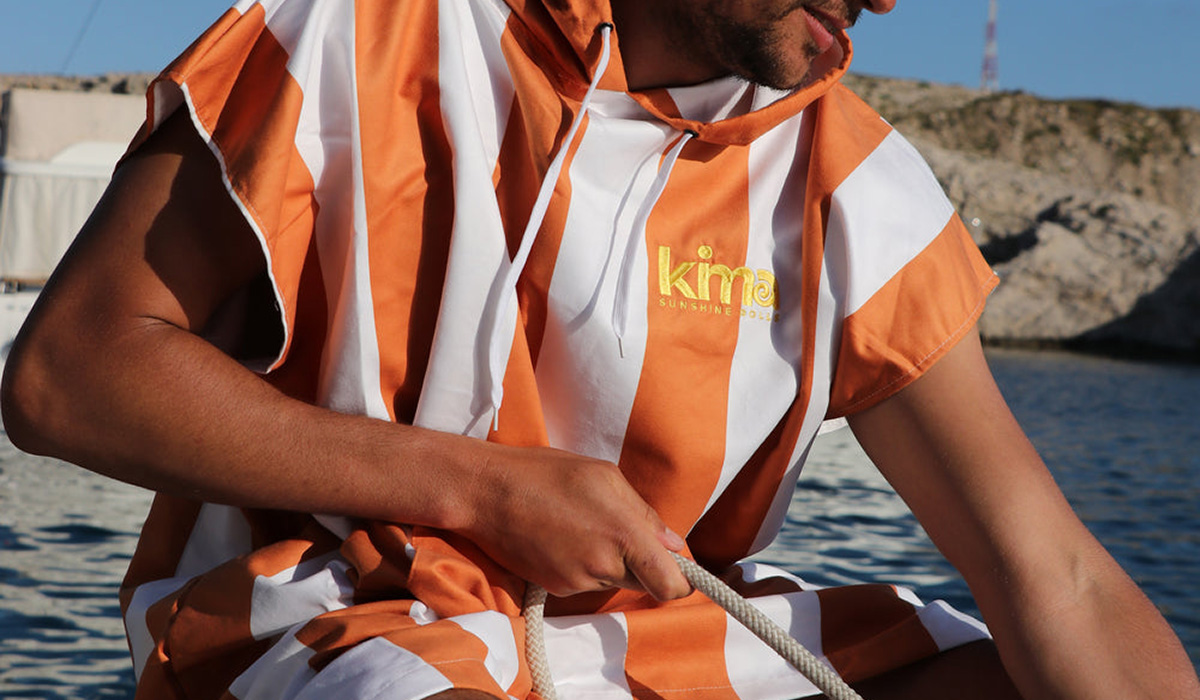
KIMA ROLLS started with a simple observation: traditional beach towels and ponchos haven’t evolved in decades. They’re bulky, heavy, and completely out of sync with how people live today.
Florent and I were constantly traveling, surfing, moving — and everything we used felt inefficient. We didn’t see a brand solving that problem properly, so we built one.
KIMA ROLLS was created to rethink everyday essentials for a more mobile, design-conscious lifestyle.
How did you choose your brand name, and what does it represent?
“KIMA” means “wave” in Greek — it represents movement, energy, and a natural connection to water.
“ROLLS” reflects our product philosophy: everything is designed to be compact, packable, and effortless to carry.
The name is simple, but the idea behind it is strong: freedom of movement, without compromise.
"We’re not building a towel brand. We’re building a brand around mobility — products designed for people who move, travel, and expect more from what they carry. Towels and ponchos are just the starting point."
What core values guide your brand, and how do they show up in your designs?
We don’t overcomplicate things. Three principles drive everything we do:
- Performance — products have to work flawlessly
- Design — they have to stand out instantly
- Responsibility — materials and production need to make sense long-term
If a product doesn’t meet all three, it doesn’t make it into the collection.
What inspired you to become a designer, and how has that influence evolved?
We didn’t come from a traditional fashion background, and that’s intentional.
We approach design as problem-solving first. But over time, we understood that function alone doesn’t create attachment — design does.
Today, our approach is clear: build high-performance products with a strong identity people want to be associated with.
Walk us through your creative process from concept to finished piece.
Everything starts with a real-life context — not a trend forecast.
Our designs are rooted in places we’ve experienced: Greece, the Basque coast, Kenya, Polynesia. Each pattern carries a story, but it’s never just aesthetic.
We translate that inspiration into products that are engineered for use — lightweight, compact, efficient. Then we refine relentlessly until nothing feels unnecessary.
What sets your brand apart in today’s fashion landscape?
Most brands design for appearance and adjust for function later. We do the opposite.
We engineer products for real life first — then we make them visually distinctive.
That puts us in a space very few brands own: the intersection of performance and style. And that’s exactly where modern consumers are moving.
What was your first experience in the fashion industry, and how did it shape you?
I previously worked for a French footwear brand, which gave me a clear understanding of how the industry operates — from creation to commercialization.
It quickly taught me a key lesson: ideas are irrelevant if they don’t sell.
Florent came from outside the industry, which is a major advantage. He brings a fresh, unfiltered perspective and constantly challenges conventional thinking.
What has been your biggest challenge so far, and what did it teach you?
Scaling without losing control — over quality, production, and cash flow.
It forced us to become structured and disciplined. Growth isn’t about momentum, it’s about control. And most brands underestimate that.
What accomplishment are you most proud of to date?
We’ve earned the trust of demanding partners — from institutions like Cercle des Nageurs de Marseille to high-end hotels — to design products tailored to their identity.
That level of trust doesn’t come from aesthetics alone. It comes from consistency, reliability, and execution.
"KIMA ROLLS was created to rethink everyday essentials for a more mobile, design-conscious lifestyle."
How do you connect with your customers and use their feedback?
We focus on real usage, not opinions.
We don’t chase every piece of feedback — we identify patterns. When something consistently comes up, we act on it fast.
That’s how we improve without losing direction.
Outside of your brand, what are you most passionate about?
Travel, movement, and spending time in environments that challenge routine.
That’s not separate from the brand — it’s exactly what fuels it.
What excites you most about the future of your brand?
We’re not building a towel brand.
We’re building a brand around mobility — products designed for people who move, travel, and expect more from what they carry.
Towels and ponchos are just the starting point.

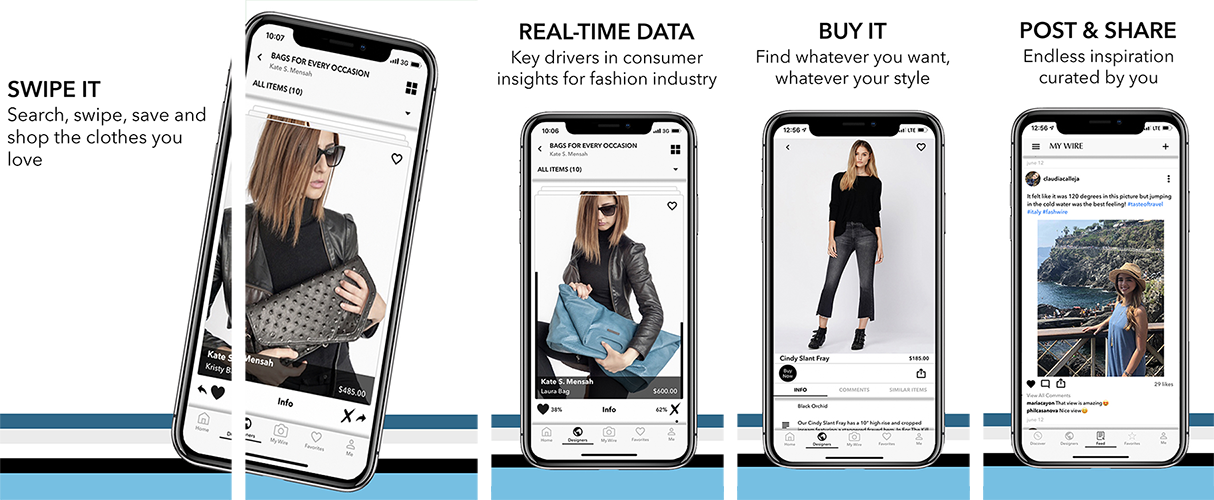
To access the Fashwire website, please sign in with your username and password.
If you do not have an account, please download the mobile app to create a username and password.
The mobile app is available on: